





Okay, so check this out—I’ve used a lot of wallets. Wow!
Some of them were slick on the surface but wobbly under pressure. My instinct said something felt off about flashy UX without clear transaction previews. Initially I thought that a polished UI meant safer signing flows, but then I realized that UI is cosmetic unless the wallet simulates and surfaces on-chain effects first. On one hand pretty buttons; on the other, your funds at risk if you blindly approve complex calls.
Really?
Yep. I remember approving a contract interaction that bundled multiple actions into one call. That single signature drained an allowance before I even knew what happened. That part bugs me. I’m biased, sure—I’ve been burned once too many times, so I’m more skeptical now than I used to be.
Here’s the thing.
When a wallet offers transaction simulation, I breathe easier. Simulations help you see token paths, approvals, and internal calls before anything is broadcast. They don’t make you invincible, though. Simulations can miss edge cases or assume a static state, so you still need context and a habit of checking numbers and destination addresses.
Whoa!
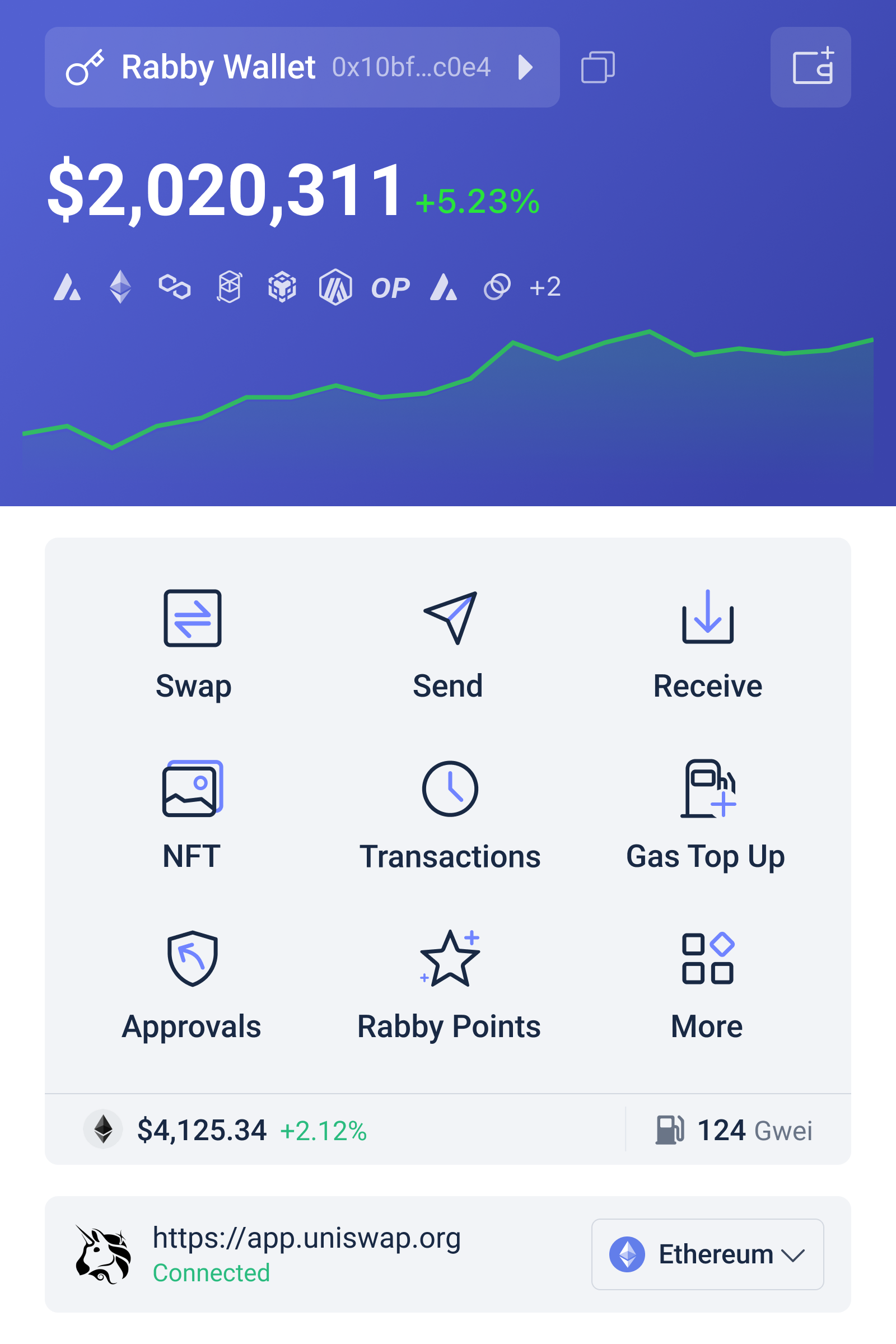
Rabby wallet stands out because it builds transaction simulation and intent-based UX into the core experience. This is not just a checkbox feature. It surfaces what the dApp actually wants to do, step by step, and offers readable labels for common operations. That reduces cognitive load for power users and newcomers alike, which is a rare sweet spot in my book.
Hmm…
Integration-wise, rabby wallet plays well with the dApp ecosystem by exposing safer signing flows while still supporting advanced custom calls. It balances strictness and flexibility—two things wallets struggle to do simultaneously. Technically, it intercepts and parses transaction payloads and then renders an intelligible summary; that parsing layer is the real muscle behind the UX.
Seriously?
Yes. But nothing is perfect. There are tradeoffs. Parsing complex contracts sometimes yields conservative or incomplete summaries. That can cause false alarms or, worse, give a false sense of security if the summary hides nuances. So: use simulation as a powerful aid, not gospel.
Initially I thought automation would solve a lot of human error.
Actually, wait—let me rephrase that: automation reduces surface-level mistakes, though deeper protocol logic still needs human judgment. On one hand automation helps, though actually on the other hand it can make people lazy about reading transaction details. Humans will be humans.
Check this out—
I once integrated a wallet into a custom dApp flow, and the first few test users reverted transactions because the wallet’s summary omitted an internal token swap. The UI said “approve”, but the backend call did more. That taught me two things: test with real nets, and never assume a single-line permission is safe. Also—oh, and by the way—this is why allowance-management features are so useful.
Hmm…
Rabby’s approach to allowance controls is pragmatic. It offers granular revocation and per-dApp scopes that let you minimize blast radius after a decision. Minimizing blast radius is the core risk-management idea: if a signature is abused, the damage is limited. That’s basic risk math, but surprisingly few wallets make it frictionless to act on it.
Wow!
From a developer perspective, integrating with rabby wallet feels straightforward and familiar because it supports standard provider APIs while adding hooks for richer intent metadata. That means dApps can continue to work out of the box and optionally send clearer intents that help users decide. The best integrations are cooperative, not intrusive.
Hmm…
Here’s a longer thought on trust models: trust in a wallet isn’t only cryptographic. It’s institutional and behavioral too. Cryptography guarantees signing, but the UX and ecosystem assumptions decide whether users sign the right thing in the first place. So wallets that combine protocol-level safety with good UX step in as mediators between complex contracts and human decision-makers.
Really?
Yes. For example, transaction simulation helps reveal reentrancy-like flows or hidden approvals by simulating intermediate states. But it depends on accurate mempool/state reads and parity with the chain state at submission time. So it’s not absolute—yet it’s way better than signing blind.
I’m not 100% sure, but…
Another practical issue: network congestion and oracle variance. A simulation might show one outcome, but frontrunning or price slippage can change execution results within seconds. The wallet can warn about slippage and add safety margins, but those warnings are only effective if users understand and heed them. Education matters as much as tooling.
Whoa!
Security audits matter too, obviously. Rabby teams and other wallet projects publish audits and bug bounty programs, which helps. Yet audits are snapshots in time. Continuous monitoring, rapid patches, and responsible disclosure timelines tell you more about ongoing security posture. A project with an active response cadence is easier to trust than one with a stale audit PDF.
Here’s the thing.
If you’re building a dApp, think about how your UX can reduce risky approvals. Offer two-step confirmations, show human-readable intent fields, and encourage users to use allowance caps. On the rabby wallet side, those intent fields improve clarity and trust, and many dApps are adopting that pattern because it lowers user friction and disputes.
Hmm…
One tip from my own experiments: add a “dry run” mode during onboarding that demonstrates what a safe approval looks like using fake tokens on testnets. People learn better by doing. Also: show the consequences of an unchecked allowance in plain language, not just a big number. It resonates more—especially for users who think in dollars, not gas units.
Wow!
Privacy deserves a note. Wallets that expose too much metadata to dApps or rely on centralized telemetry can leak activity patterns. Rabby takes a middle path: it offers helpful analytics for UX while letting users opt out of telemetry. In practice, privacy controls matter more for some users than others, but they’re a non-negotiable for anyone who values operational security.
Okay, quick aside—
I live in the Midwest and when I talk to folks here they want tools that are sensible and durable, not showy. Rabby fits that mold. It doesn’t scream “cutting-edge hype”; it quietly makes hard things safer. That pragmatic vibe matters coast-to-coast.
Seriously?
Yeah. I keep using rabby wallet when testing integrations because it surfaces intents cleanly and supports developers without getting in the way. You can check it out here: rabby wallet. That single link is where I send teammates when they ask what to install for safer testing.
I’m biased, but here’s an honest limitation: no wallet can protect you from social engineering 100%. Phishing dApps, malicious extension overlays, or compromised devices can still get you. Hardware wallets mitigate many risks, and rabby integrates with hardware devices, but the human element remains the weakest link.
Hmm…
So what practical checklist do I use now when evaluating a wallet for DeFi work?
– Does it simulate transactions and explain intent? Check. – Does it allow granular allowance revocation? Check. – Does it support hardware wallets and developer-friendly hooks? Check. – Does it publish security practices and respond to reports? Check. – Does it keep telemetry optional? Check.
Wow!
Adopting those habits reduces surprises and keeps projects from becoming “very very accidental exploit vectors.” Small steps—like checking a simulation, limiting an allowance, or revoking access after use—prevent most common losses. They don’t stop every advanced exploit, but they make you a harder target.
Here’s a closing reflection.
At the end of the day my working model of a trusted wallet has three pillars: clarity (can I understand the transaction?), control (can I limit or revoke permissions?), and continuity (does the tool integrate with hardware and dApp workflows reliably?). Rabby covers these bases in ways that feel intentional rather than tacked-on, which matters when you’re moving real value around.
Final practical notes
I’m going to be blunt—no single product solves everything. Use simulation, use hardware where possible, and adopt the habit of least privilege for allowances. Keep an eye on updates and patch notes, and teach teammates to read intents, not just press approve. Somethin’ as simple as that will save you headaches down the road.
FAQ
How reliable are wallet transaction simulations?
Simulations are a powerful guardrail. They reveal many hidden contract behaviors, though they’re limited by chain state, oracle variance, and timing. Treat them as strong hints, not absolute guarantees.
Will integrating with rabby wallet change my dApp UX?
Mostly for the better. The wallet supports standard provider APIs while encouraging richer intent metadata. That lets dApps provide clearer descriptions of actions which helps users decide more safely.
Can I use rabby with a hardware wallet?
Yes. It supports hardware devices, which adds a layer of protection for signing while preserving the wallet’s simulation and intent benefits.